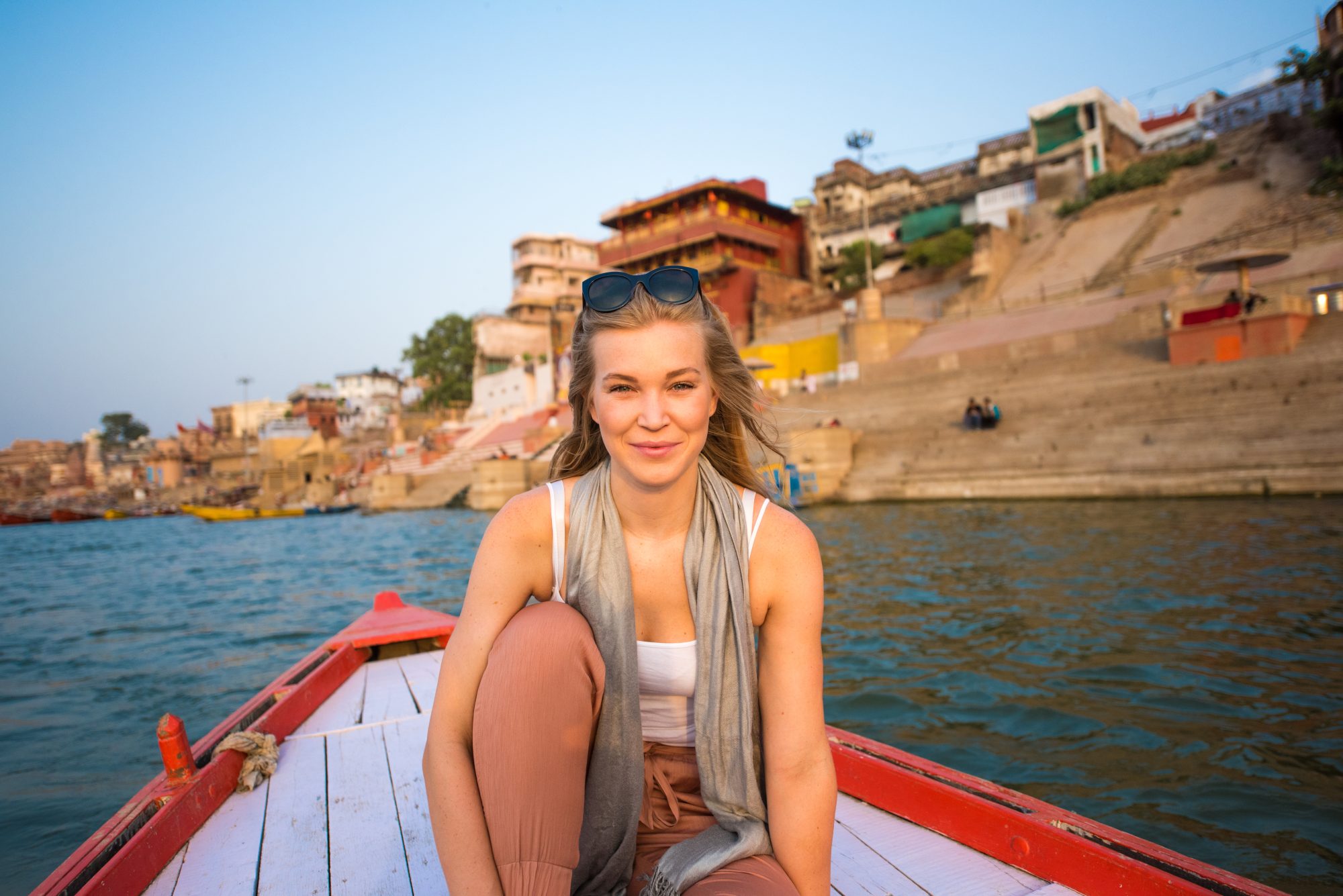
India is one of the most fascinating, diverse and exciting countries to visit – but understanding the dress code of India is essential to ensure a comfortable and respectful experience. Having visited 23 states in India – both working and on holiday, I’ve put together a guide to recommendations for what to wear in India for both men and women, covering various aspects of dressing for different occasions and the dress code in India across the various regions.

Understanding India’s Dress Code:
India’s dress code is as diverse as its landscapes, with clothing choices influenced by factors such as climate, religion, and social norms. While there are no strict legal requirements, it’s important to be mindful of local customs and sensitivities, especially when visiting religious sites and rural areas.
What to Wear in India for Female Travellers:
The first time I visited India I was very conscious of what I wore, but I quickly realised that generally, being comfortable was the most important factor.
Here’s a breakdown of attire recommendations for various situations:

1. Everyday Wear:
In urban areas and tourist destinations, Western attire like jeans, tops, and dresses is widely accepted. Opt for lightweight fabrics like cotton and linen to stay cool when you’re in the hotter regions. Loose-fitting clothes are ideal for navigating crowded streets and bustling markets, although avoid skirts or trousers that are too long as they will trail along the ground and undoubtedly get grubby.

My usual day to day wear in India is a lightweight trouser with a vest and a loose scarf to cover my shoulders. Generally it’s fine to wear spaghetti straps or vests as long as it’s not a religious site – although be conscious of the strong sun

2. Dress Code of India – Traditional Attire:
Embrace India’s cultural diversity by incorporating traditional clothing into your wardrobe. Far from viewing it as cultural appropriation – whenever I’ve worn traditional dress in India as a foreigner then people have generally seemed delighted. The designs are often colourful and lightweight and I like buying from local retailers and vendors to support local businesses.

It’s an easy mistake for foreigners to make thinking that sarees are the only traditional dress code of India, but even the saree varies from state to state. From the beautiful Chettinad Saree of Tamil Nadu to the Mekhela Chadar of Assam, you’ll start to notice the differences in the material, the stitching and the drape of the material as you travel. When deciding what to wear in India then do also consider the salwar kameez and kurtas – both are elegant choices for special occasions and cultural events.
3. What to wear in India at religious sites:
When visiting religious sites and conservative areas, modest attire is required. Not only is it appreciated as a sign of respect, but many temples won’t allow you to visit unless you dress modestly. Opt for outfits that cover shoulders, cleavage, and knees. As I usually have a vest top or thin strap then I almost always carry a shawls or a scarf which can be used to cover up when necessary, which I drape over my shoulders and often chest.
It’s also worth noting that at most temples and religious sites you’ll be required to take off your shoes, so it’s probably worth wearing sandals than can be slipped on and off, rather than shoes and socks will which will take longer. I usually wear Birkenstocks as not only do they look fashionable, but they are comfortable and easy to take on and off.

4. What to wear in India in the cooler regions
India’s northern states, including regions like Kashmir and Himachal Pradesh, experience cold winters and snowfall in higher altitudes. If you’re planning to visit these mountainous areas, here are some essential clothing items to pack:
I’ve also written a full article on what to wear in Ladakh to help you plan for cooler regions.

. Layers: Layering is essential for staying warm in cold climates. I found that when travelling over the mountain passes, you’d be hot one minute and then freezing cold the next, and easy to remove layers helped me stay comfortable. I will usually wear a base layer of a vest and then longer sleeved options on top.
. Winter Accessories: Don’t forget to pack winter accessories like woolen hats, gloves, scarves, and socks to keep you cozy and comfortable outdoors. Insulated boots with sturdy treads will provide traction on icy surfaces.
. Cultural Considerations: In addition to practical clothing, it’s important to be respectful of local customs and traditions. In regions like Kashmir, where conservative attire may be more common, dressing modestly is appreciated out of respect for local sensitivities.
What to wear in India as a woman at the beach?
The answer to this question definitely depends on the region you’re visiting. If you’re at many beaches Goa then bikinis and swimsuits are generally accepted as the norm. Having said that, I visited Dudhsagar falls in Goa and as the only foreigner, was the only woman wearing a bikini. Most women didn’t even go in the water but those that did went in with t shirts and loose trousers on.
At hotels you’ll be fine in bikinis or swimsuits, but if there are mainly local people there then do potentially be prepared to be stared at.
At the city beaches like in Mumbai and Chennai, you rarely see women in the water. On the odd occasion I have then they have been wearing a t shirt and loose trousers. In Tamil Nadu I took a surfing lesson and initially I wore a swimsuit, although then opted to wear leggings with the swimsuit to curve the curious glances from people passing by.

What to Wear in India for Men
Generally it’s a little more straightforward for the dress code in India for men. You’ll be fine with jeans and a t shirt in most places, although you will probably be more comfortable in lightweight trousers than thick denim.
Can I wear shorts in India?
The ‘short’ (no pun intended) answer is yes – you can wear shorts in India. Although in many regions most local people don’t wear shorts, in the bigger cities like Mumbai & much of Delhi, local people are used to seeing foreigners and you won’t have any issues wearing shorts as a tourist.
In conclusion, dressing for India requires a balance of comfort, respect, and cultural sensitivity. By packing a versatile wardrobe that includes both Western and traditional attire, as well as warm clothing for cooler regions like Kashmir, you can navigate India’s dress code with ease and enjoy a memorable journey through this captivating country.
Related posts
